
wonach suchst du
?

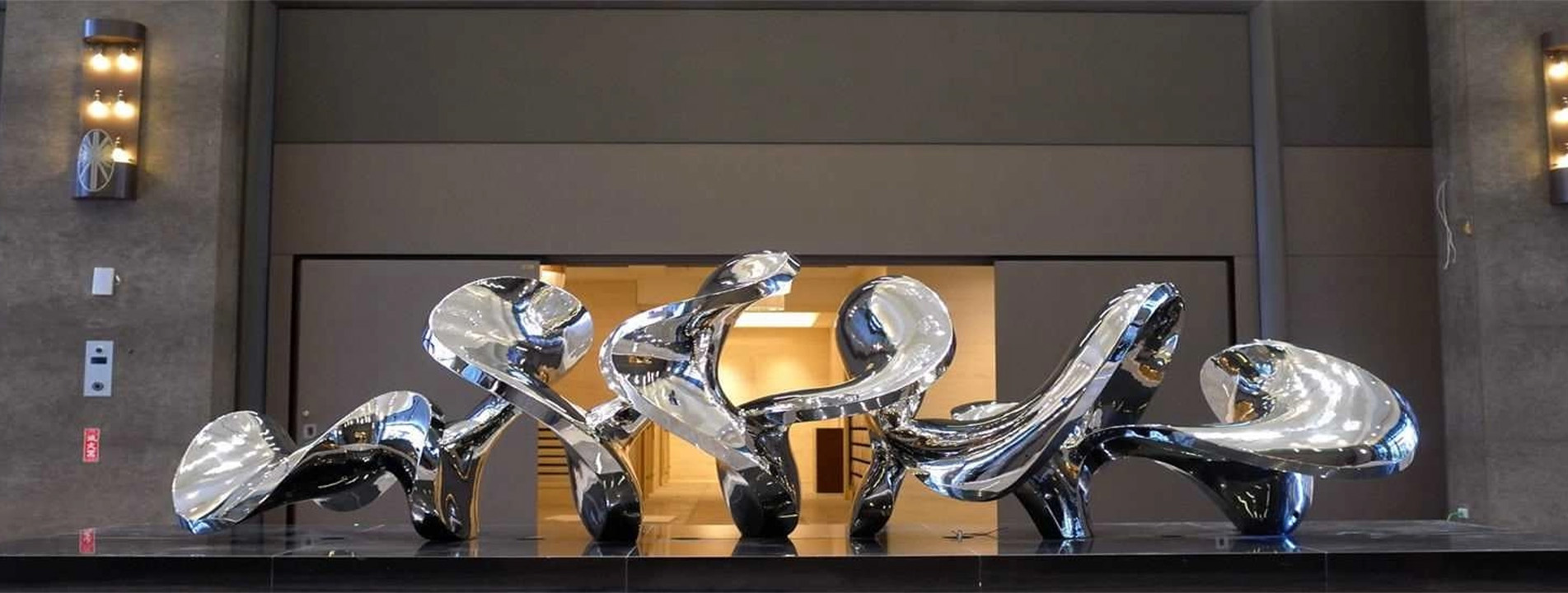
Fiberglass Sculptures – What They Are, Why People Use Them, and What to Know Before Ordering
May 14, 2026
You've probably seen them. That big horse in a hotel lobby. The cartoon characters at a shopping mall. The modern art piece in a public square. Chances are, a lot of them are fiberglass.
Fiberglass (or FRP – fiberglass reinforced plastic) is everywhere in the sculpture world. And for good reason.
It's light. It takes detail well. It costs way less than bronze or marble. And it can last for decades outdoors if done right.
But not all fiberglass work is the same. Here's what you actually need to know.
The Short Version
Fiberglass is a composite. Glass fibers + resin = strong but lightweight shell. It's hand-layered inside a mold, then finished to look like whatever you want — painted, textured, metallic, even made to look like stone.
It's not plastic. It's not fiberglass insulation. It's a structural material used for boats, car bodies, and yes, sculptures.
Why it's popular:
How We Actually Make Them
It sounds simple but it's surprisingly hands-on.
First, a mold. We make a master model — clay, foam, or 3D-printed. Then a mold from that. If the customer wants multiples, the mold gets reused.
Then the lay-up. Fiberglass sheets go into the mold with resin. Worker presses it in. Air bubbles get pushed out. Layer by layer by hand. For large pieces, we do this in sections.
Then it sits. Cures. Hardens. Comes out of the mold.
Then assembly. Sections get joined with more fiberglass and resin. Seams get sanded smooth.
Then finishing. Primer, sand, paint, seal. If it's going outdoors, UV-resistant topcoat. If it needs to look like bronze, a patina paint job.
Then packing. Wooden crate. Foam. Shipping. Done in our factory before anything leaves.
What Fiberglass Is Good For
The main advantage is weight. A fiberglass horse that's 3 meters tall — two or three guys can move it. Same thing in bronze? You need a crane and a truck.
The second advantage is cost. For a large custom piece, fiberglass can cost a fraction of what stainless steel or bronze would run.
The third advantage is design freedom. Thin edges, sharp angles, smooth organic shapes — fiberglass handles all of them. Metal has limits on how thin you can go. Stone has limits on how complex you can carve. Fiberglass doesn't have those limits.
Where it falls short:
What People Use Fiberglass Sculptures For
Hotel lobbies. Resort entrances. Theme parks. Shopping malls. Restaurants. Museum exhibits. Event spaces.
Common subjects: animals (horses, elephants, lions), human figures, abstract shapes, cartoon characters, giant versions of everyday objects.
We've made fiberglass pieces for brand stores (mascots), trade shows (oversized product replicas), public parks (children's play sculptures), and private collectors (life-sized human figures).
Indoor vs Outdoor – The Difference Is the Finish
Same material underneath. The difference is what goes on top.
Indoor: Standard gel coat or paint. No special protection needed.
Outdoor: UV-resistant gel coat. Weatherproof paint. Sometimes a clear protective topcoat. That extra couple of steps determines whether it lasts 3 years or 20.
We've seen "$500 cheaper" outdoor sculptures crack and fade within two years. Then the client pays more to fix or replace it. Not worth it.
Fiberglass vs Other Materials — Honest Comparison
| Fiberglass | Stainless Steel | Bronze | Stone | |
|---|---|---|---|---|
| Weight | Light | Heavy | Very heavy | Very heavy |
| Cost | Low–mid | High | Very high | Very high |
| Detail level | High | Medium | High | Medium |
| Outdoor life* | 15–20 yrs | 30–50+ yrs | Centuries | Centuries |
| Best for | Large custom, tight budget | Modern, reflective, permanent | Classic, investment pieces | Monumental, luxury |
*Outdoor life depends heavily on finish quality, not just the material itself.
What to Ask Before Ordering
How thick is the shell? Thicker means stronger. Cheap pieces have thin walls that crack during shipping or installation.
What resin are you using? Quality resin matters. Not all resin is the same.
What's the outdoor finish? If it's going outside, ask about UV protection specifically.
Is there an internal frame? Big sculptures need a steel skeleton inside. Otherwise they can sag or warp.
Can you match a specific color? Yes, if you provide a Pantone code or physical sample.
What about installation? We can advise, and for large projects we can provide on-site guidance.
What It's Not
Fiberglass is not cheap plastic. It's not fiberglass insulation. It's not delicate.
A well-made fiberglass sculpture is strong enough to stand outdoors for years, light enough to move without heavy equipment, and detailed enough to hold its own next to more expensive materials.
It's the workhorse of the sculpture industry. Not flashy. But very, very useful.