 Apr 13, 2026
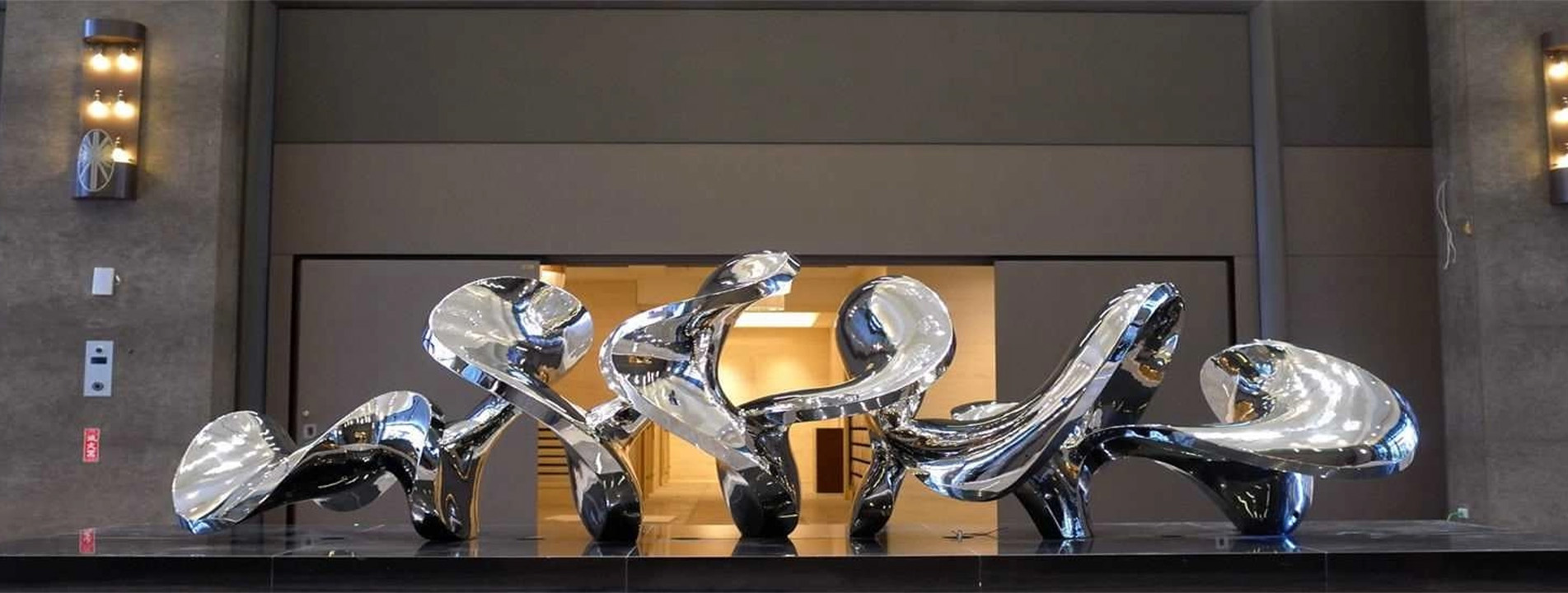
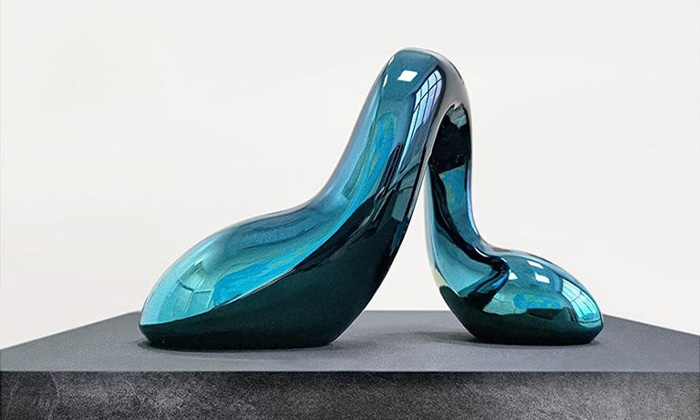
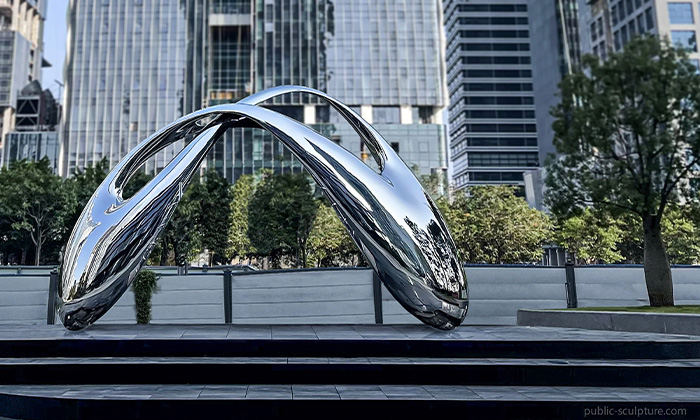
China has become a global hub for Custom Sculpture Manufacturing, offering competitive pricing, skilled craftsmanship, and a wide range of materials such as stainless steel, fiberglass, and wood. However, with so many suppliers available, choosing a reliable custom sculpture manufacturer can be challenging.
In this guide, we will walk you through the key factors to consider when selecting the right partner for your project, ensuring quality, reliability, and long-term cooperation.
1. Evaluate the Manufacturer’s Experience and Expertise
When choosing a custom sculpture manufacturer, experience matters.
Look for a company that:
Has several years of industry experience
Specializes in custom projects rather than mass production
Offers a diverse portfolio (hotel, public art, commercial spaces)
An experienced manufacturer understands design complexity, structural safety, and international client expectations.
2. Check Materials and Craftsmanship
The quality of materials directly impacts the durability and appearance of the sculpture.
Reliable manufacturers should offer:
Stainless steel (mirror polished, brushed finish)
Fiberglass (lightweight and cost-effective)
Wood or mixed materials
Also, ask about:
Surface treatment (polishing, painting, coating)
Weather resistance (important for outdoor sculptures)
👉 High-quality craftsmanship is often reflected in details like smooth edges, seamless welding, and consistent finishing.
3. Review Previous Projects and Case Studies
A trustworthy manufacturer should be able to show real project cases.
Installation photos
Before-and-after production images
Projects for hotels, resorts, malls, or public spaces
This helps you verify:
Actual production capability
Design execution ability
Experience with international clients
4. Customization Capability is Key
Every project is unique. A good manufacturer should provide full customization services, including:
Size adjustments
Color and finish options
Material selection
3D modeling or drawings
👉 The ability to turn your idea or sketch into a finished sculpture is a critical factor.
5. Communication and Responsiveness
Clear communication can make or break a project.
A reliable manufacturer should:
Respond quickly to inquiries
Understand your requirements clearly
Provide professional suggestions
6. Production Process Transparency
Professional manufacturers usually follow a clear production workflow:
Design confirmation
3D modeling or drawings
Material preparation
Fabrication
Surface finishing
Quality inspection
Packaging and shipping
👉 Transparency ensures you know exactly what stage your project is in.
7. Packaging and Global Shipping Experience
Sculptures are fragile and often large, so proper packaging is crucial.
Look for manufacturers that provide:
Wooden crate packaging
Internal foam protection
Export experience
They should also be familiar with:
Sea freight / air freight
Customs documentation
8. Customer Reviews and Reputation
Before making a decision, check:
Client testimonials
Repeat customers
Long-term cooperation cases
A reliable supplier usually has consistent positive feedback from international buyers.
9. Pricing vs Value
While China offers competitive pricing, the cheapest option is not always the best.
Consider:
Material quality
Craftsmanship
Service level
👉 A slightly higher price often means better durability and fewer problems.
10. After-Sales Support
Good manufacturers provide support even after delivery.
This may include:
Installation guidance
Maintenance advice
Replacement solutions if issues occur
Conclusion
Choosing a reliable custom Sculpture Manufacturer in China requires careful evaluation of experience, craftsmanship, communication, and service.
By selecting the right partner, you not only ensure the success of your project but also build a long-term relationship that can support future collaborations.
Q1: Why choose China for custom sculpture manufacturing?
China offers a combination of skilled craftsmanship, competitive pricing, and advanced production capabilities.
Q2: What materials are best for outdoor sculptures?
Stainless steel and fiberglass are popular due to their durability and weather resistance.
Q3: How long does a custom sculpture project take?
Typically 20–45 days depending on size and complexity.
Q4: Can I request a custom design?
Yes, most manufacturers support full customization based on your drawings or ideas.